@LeadingLearner
Curriculum
Happie Nu Yeer Tu U
Writing is a code for sound; as ever it’s not quite that simple. You’ve probably read the title, know what I mean but also realise that it just looks “plane rong”. We have both sound and word representations in our minds. In experienced readers’ minds phonology (word sounds) and spellings (orthography) work individually and together; in experienced readers this is a rapid, automatic and mutually reinforcing process. Continue reading
What Cognitive Science Can Teaching Us About the Reading Mind
Every now and again you come across a book that is an absolute gem; The Reading Mind by Daniel T. Willingham has captured my attention over the last few weeks. In attempting to provide some leadership to develop literacy across the school I’ve realised the limits of my knowledge. Reading has helped; in fact reading helps us all develop our knowledge. Continue reading
Literacy Matters #ThursdayThunk
I rather like the line from Alex Quigley that we’re all teachers of English because we all teach in English. Similar thinking follows for being teachers of literacy and teachers of reading. When I was teaching Science, many moons ago, I’d probably have rolled my eyes at the statement and thought another thing for me to do rather than seeing literacy as the golden thread that potentially runs through all subjects. Crack literacy and you are likely to succeed at school and arguably in life. Continue reading
Leadership: Being, Knowing, Doing (New Book)
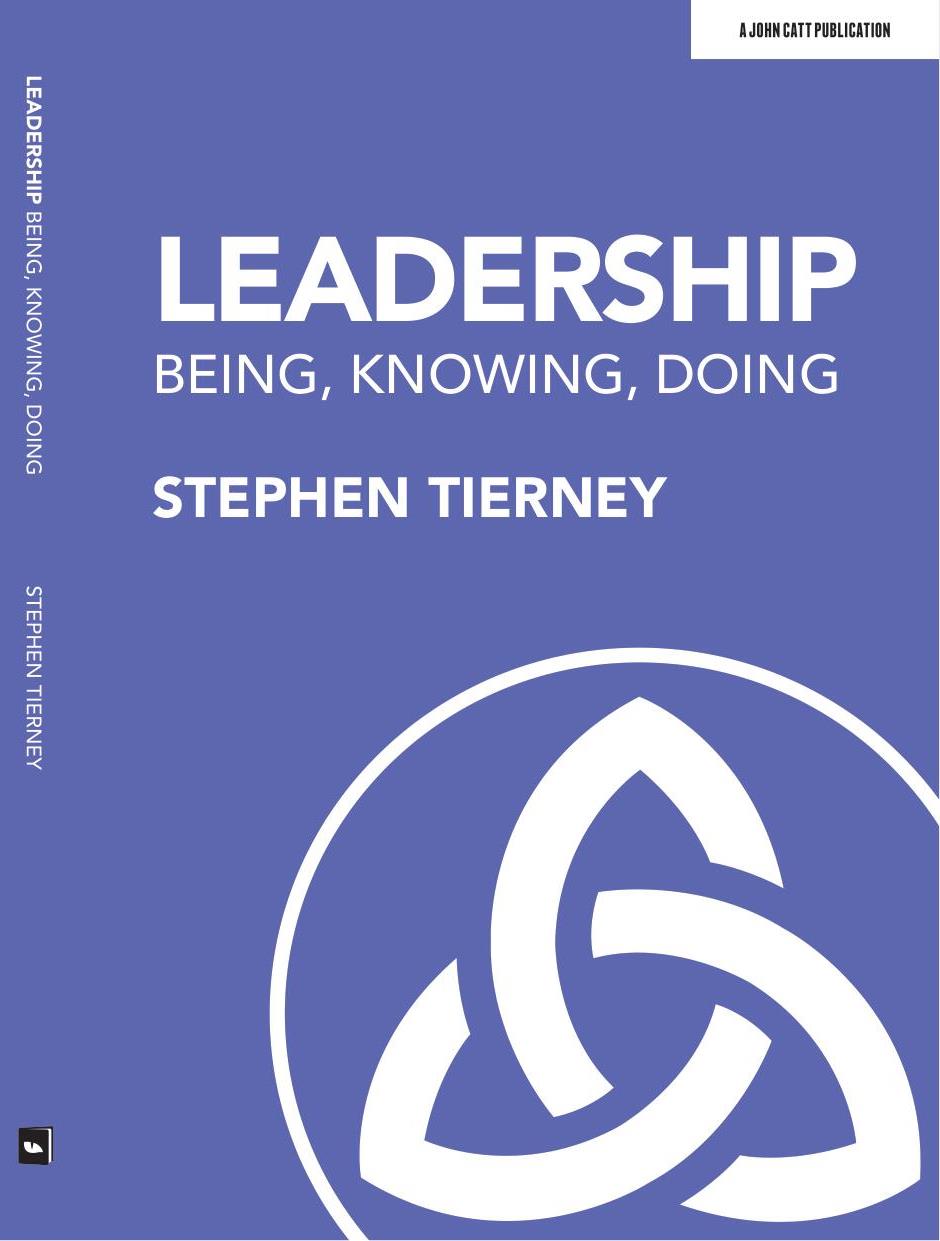

Liminal Leadership

COPYRIGHT LICENCE

@LeadingLearner by Stephen Tierney is licensed under a Creative Commons Attribution-NonCommercial-NoDerivatives 4.0 International License.
Based on a work at www.leadinglearner.me.
 @LeadingLearner