@LeadingLearner
LeadingLearner
What happened when a School put Lantern AI to the test?
Last month, we introduced the Lantern Leadership Studio, a governed AI environment designed to help school leaders establish the correct policy-based professional footing of a situation before deciding how to act. The post – Can AI Help School Leaders Think more Clearly has a leadership challenge and a downloadable response from the Lantern Leadership Studio.
This second part reflects on what happened when a real school used it.
Continue readingCan AI help school leaders think more clearly?
A headteacher receives a report that a pupil has been acting out in lessons. Alongside the initial report, there are small additional details. A comment passed on from a teaching assistant. A change in behaviour noted by other members of staff. Something that does not quite fit but is easy to set aside. The situation is approached through the school’s behaviour policy. It is a reasonable response to what the issue appears to be.
But despite the details for a procedurally defensible response being there from the outset, they are not brought together in their entirety. Although nothing is done irresponsibly, the situation ends up being misread from the moment it arrives.
Continue readingUsing an Assessment Decision Tree to align Students’ Reading Needs to Support by @ricketts_lara
Over the period from September 2018 to August 2022, Blackpool secondary schools engaged in a major whole school project to improve the reading ability of pupils in Key Stage 3. The project was a collaborative effort involving: senior leaders, teachers & support staff; Right to Succeed and critical friends including Alex Quigley and Professor Jessie Ricketts. The academic paper below explores part of that collaboration.
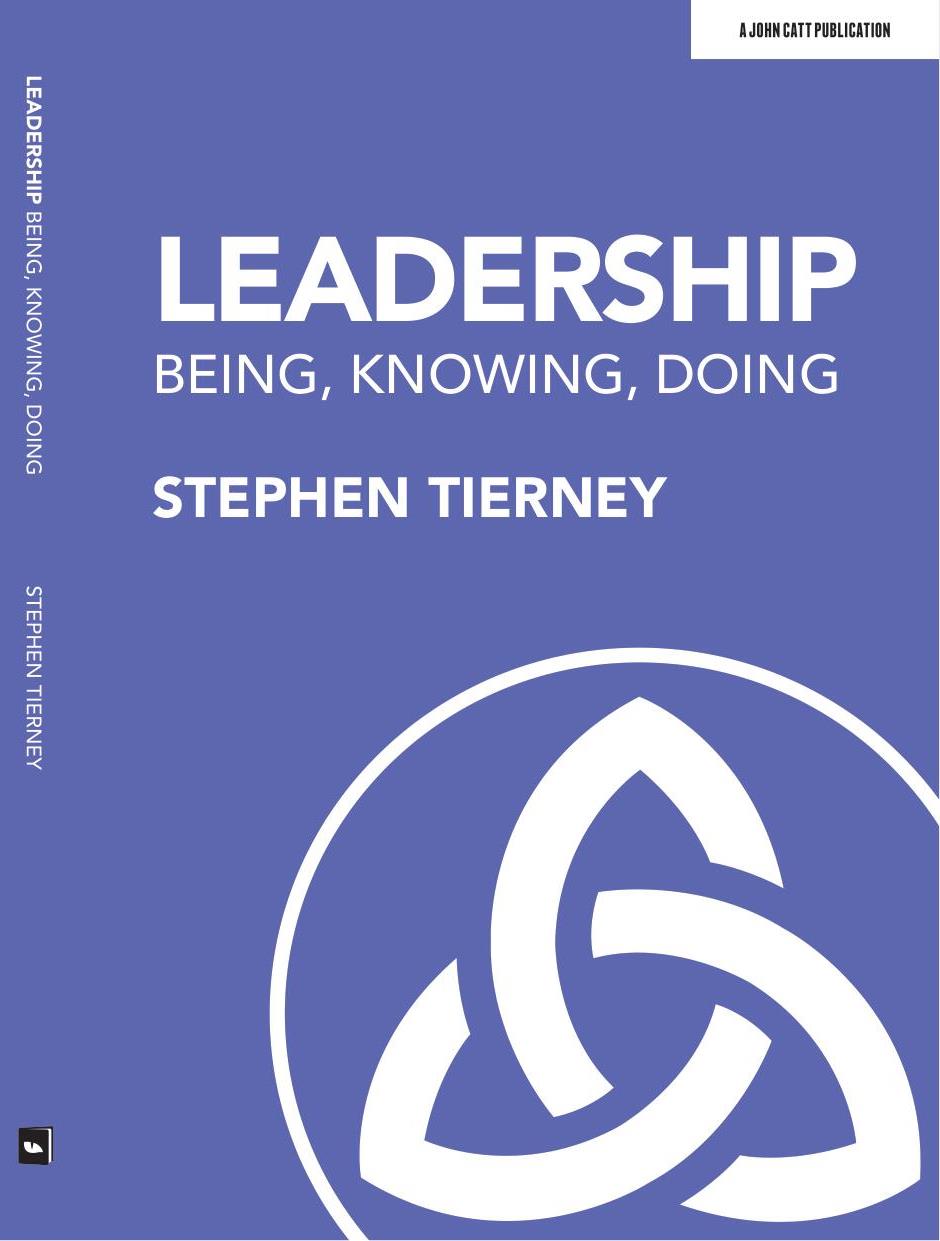
Continue readingLeadership: Being, Knowing, Doing (New Book)

Liminal Leadership

COPYRIGHT LICENCE

@LeadingLearner by Stephen Tierney is licensed under a Creative Commons Attribution-NonCommercial-NoDerivatives 4.0 International License.
Based on a work at www.leadinglearner.me.

